Giloo — Making Documentaries More Than Just "Watch and Forget"
Why Do Documentaries Need a Different Kind of Design?
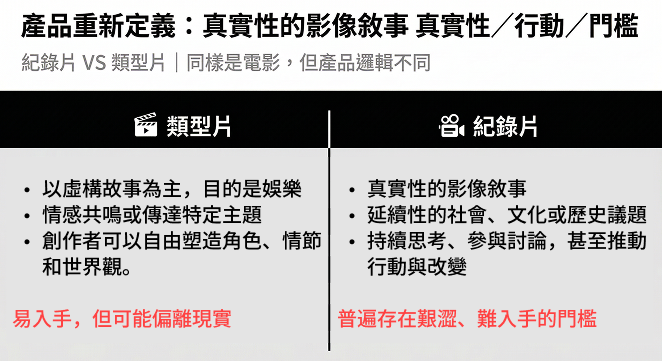
This question started from a pretty basic observation: even though both are movies, the way people behave after watching *Titanic* versus a documentary exposing corruption between business and government is completely different.
Fiction films aim for emotional resonance. Documentaries aim for understanding and conversation.Yet back then, almost every streaming platform out there used the exact same interface to serve these two very different needs: browse, hit play, finish, close. We quickly realized that documentary viewers were being seriously underestimated by existing products.

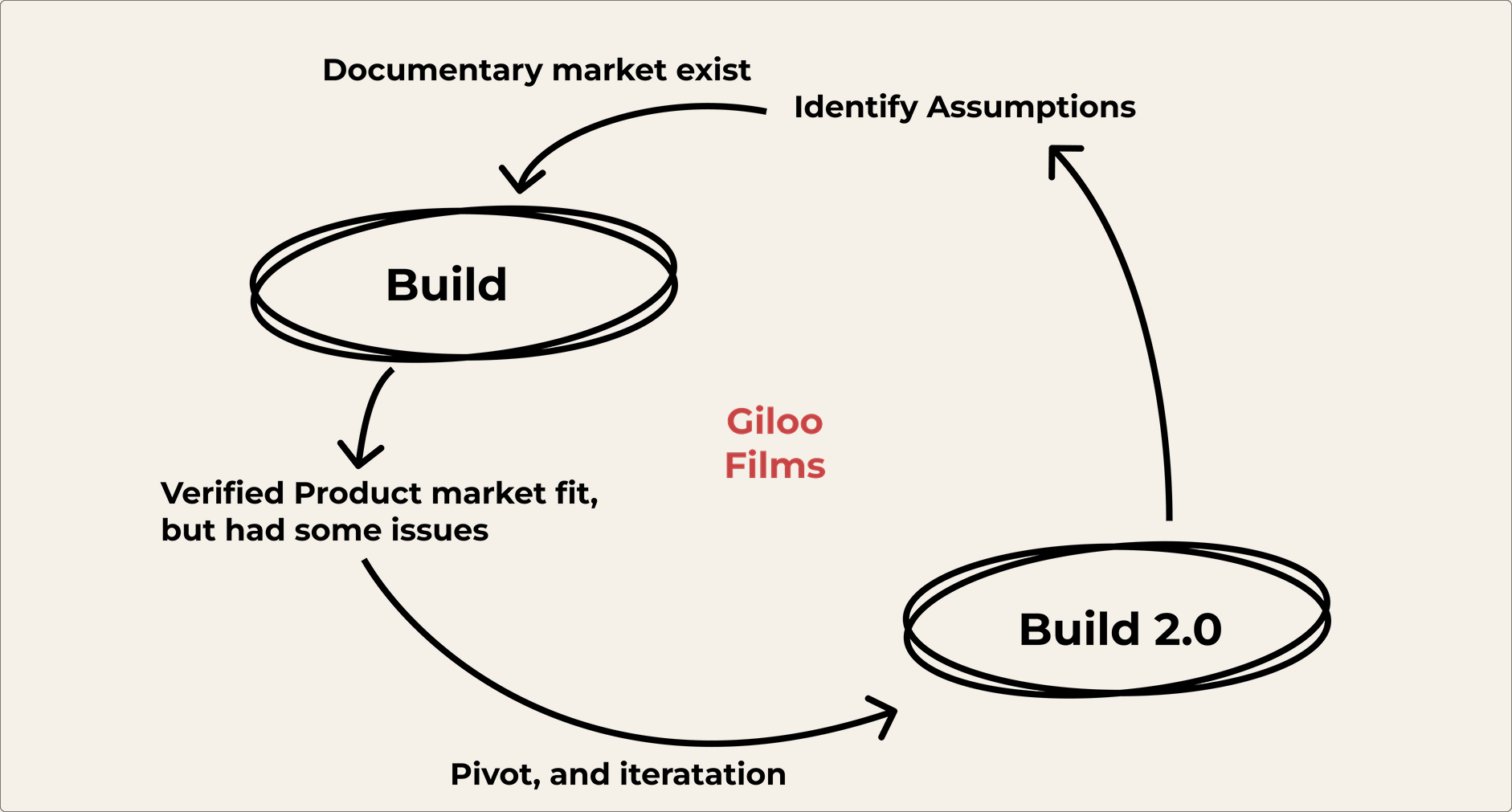
Testing the Market with Single-Film Rentals

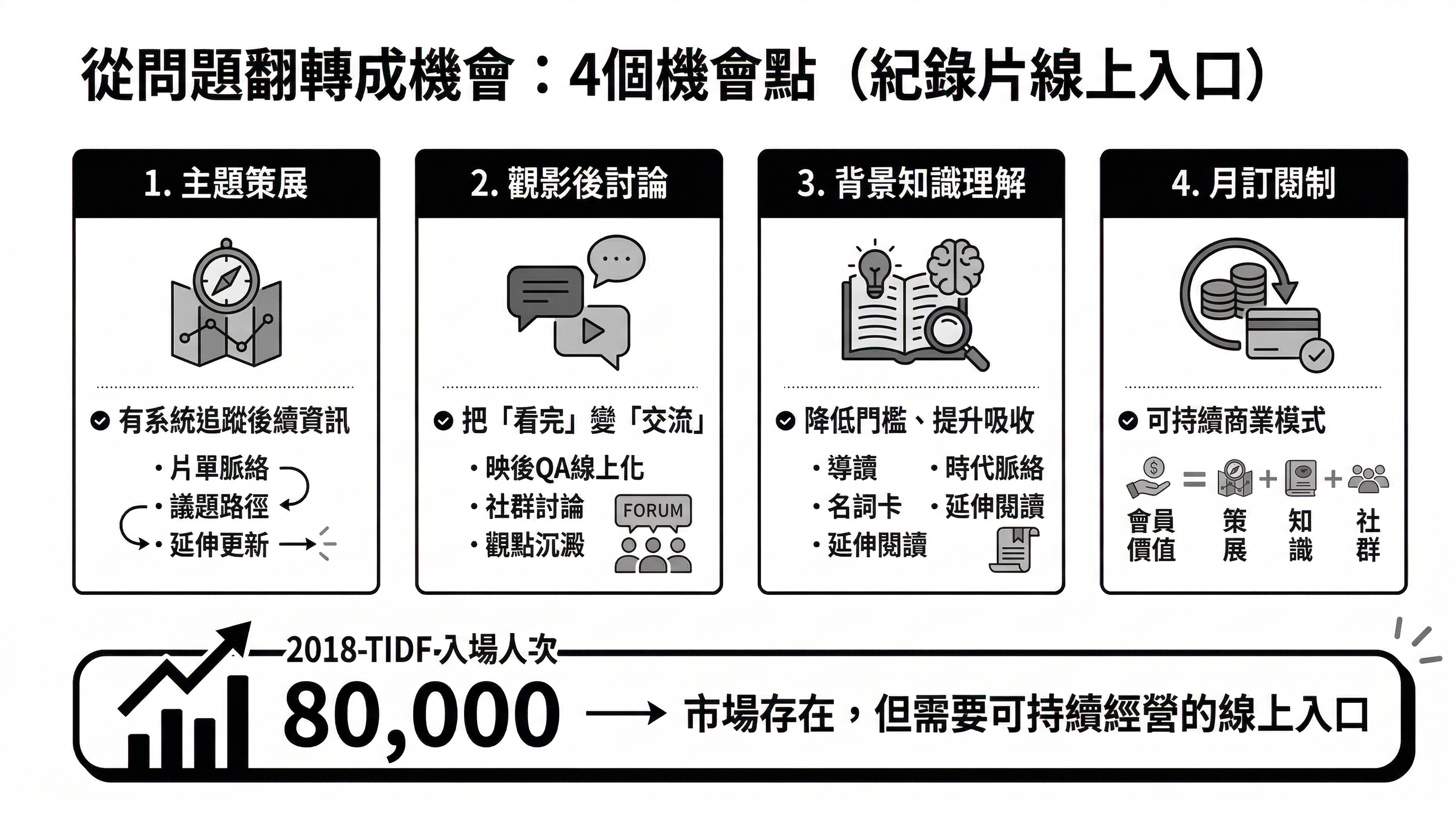
The MVP confirmed there was a real market, but it also revealed a fundamental gap: after finishing a film, viewers had nowhere to discuss it and no tools to follow up on the issues. People who wanted to go deeper were left on their own — Googling, hunting down articles, posting on Facebook, only to get swallowed by the algorithm and seen by nobody outside their echo chamber.
From Competitive Research to Product Positioning
Competitive Analysis: Competitors Were Still Stuck on "Selling Viewership" — and the Race Was Becoming a Battle of Budgets
Platform | Positioning | Subscription Model | Differences & Limitations |
|---|---|---|---|
Netflix (algorithm-driven recommendations) | General streaming platform | Monthly subscription | Huge content library, but documentaries lack deep curation |
Catchplay (rental hybrid model) | Mainly Asian drama & fiction | Single-film rental + monthly subscription | Not focused on documentaries |
Topic (closest competitor) | Social issue documentaries | Monthly subscription | No community features |
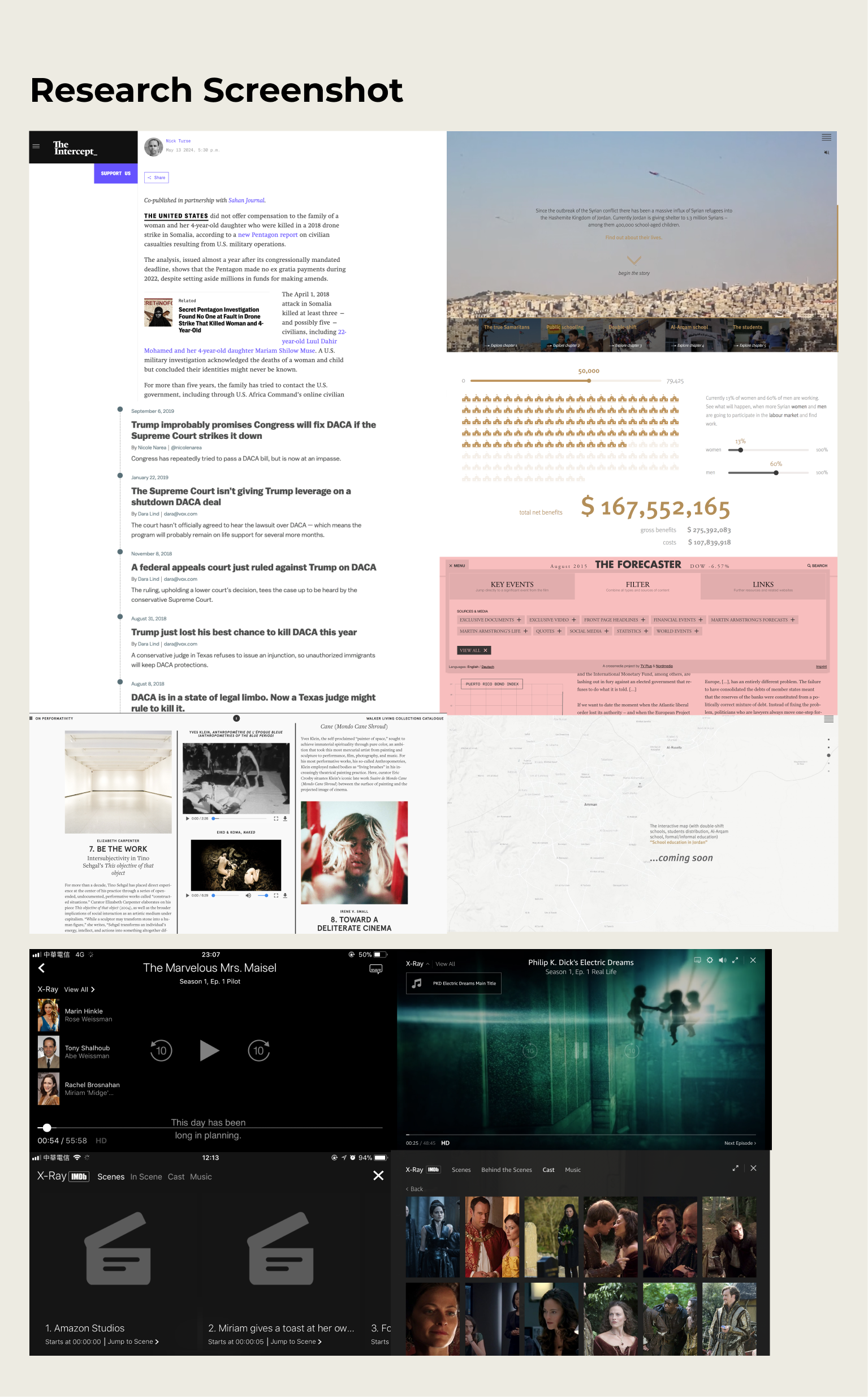
We broke down the design logic behind film festival websites, documentary archives, and mainstream platforms like Netflix and Prime Video. And we found one common blind spot:They're all "selling the act of watching" — not "selling the value of what happens after you watch."
Film festivals have an enviable depth of curation, but they're hard to follow up on. Streaming platforms make it easy to pick a film, but lack any real depth around the issues. Not a single platform was asking:After someone finishes watching, what can I do for them?
That's what solidified Giloo's product positioning — not just a player, but a knowledge hub for documentary lovers. The goal: when people who are seriously into documentaries think "I want to really understand something," Giloo is the first place that comes to mind.
Choosing a Business Model: From TVOD to SVOD
To grow revenue, we needed more content. But at the same time, we faced a key product strategy decision: stick with TVOD (single-film rental), or shift to SVOD (monthly subscription)?
Giloo's opportunity was to step outside that dimension entirely — and build a real moat through issue depth and community connection.

Design Experience
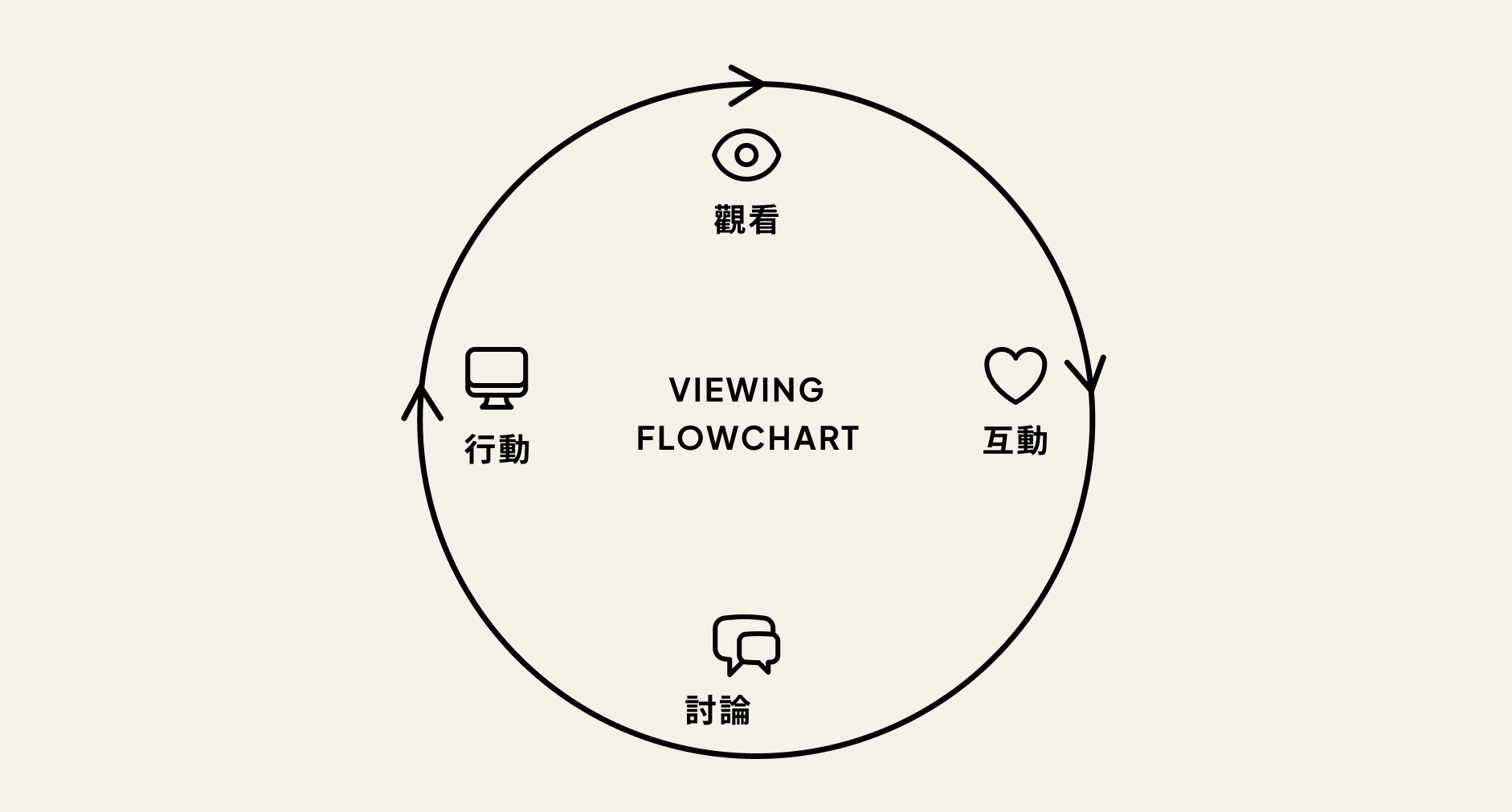
Viewing Loop Design — Watching a documentary isn't a linear "done when it's over" experience. It's a continuous loop.

Stage | User Behavior | Corresponding Features |
|---|---|---|
Watch | Browse, play, immersive viewing | Themed playlists, Glossary annotations |
Engage | Emotional reactions, highlighting key moments | Markers, bookmarks, ratings |
Discuss | Exchanging perspectives with other viewers | Member reviews, critic articles, Q&A |
Act | Explore further, follow up on issues | Themed curation, follow-up coverage, related playlists |

Community & Membership System
Starting from one core question: what kind of people are willing to stay deeply engaged over time?

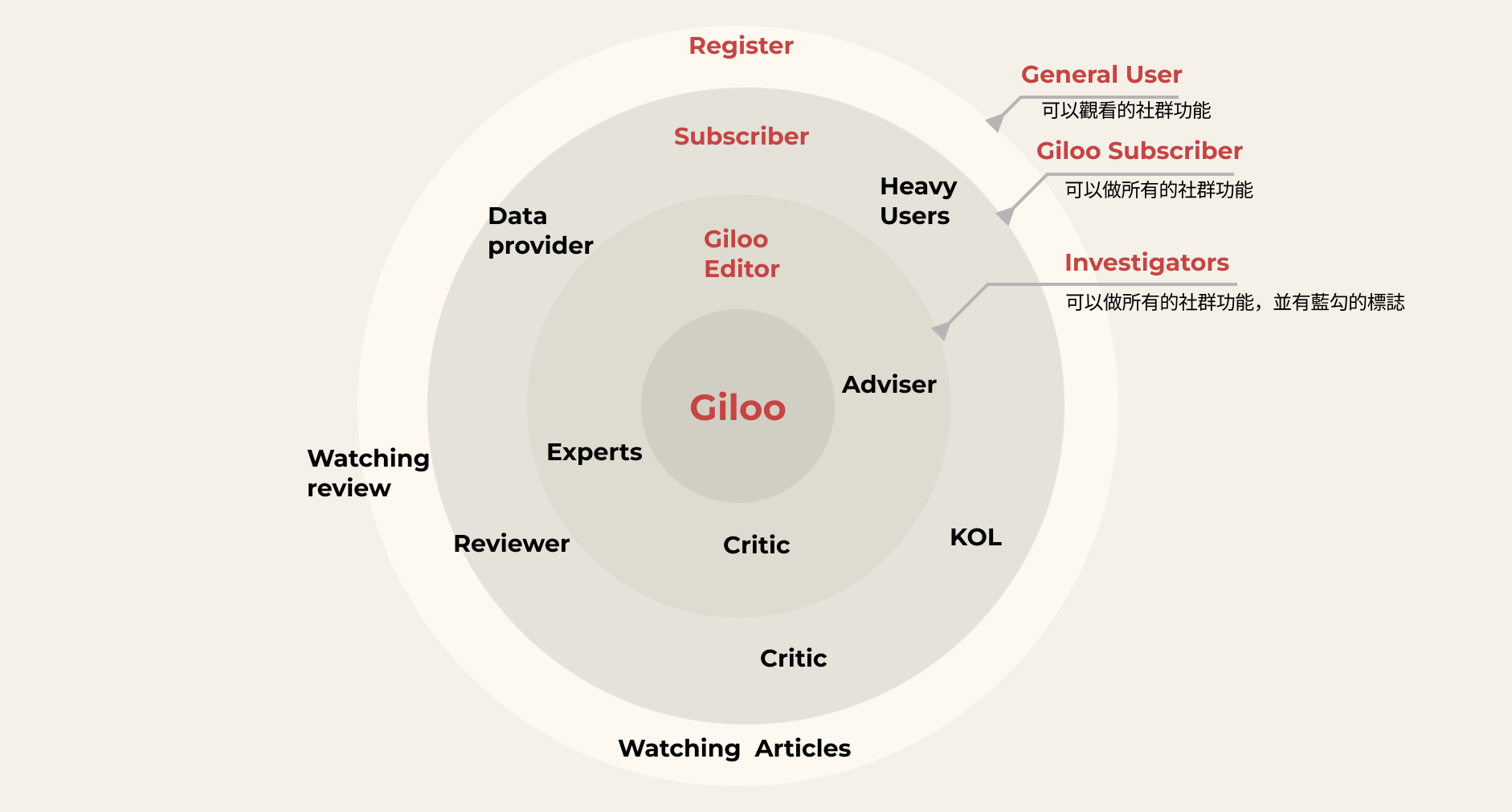
The membership tier design is fundamentally abehavioral classification system— not just a rewards program. We started from how viewers actually participate, and defined three tiers:
Tier | Role | Behavior |
|---|---|---|
Regular User | General User | Browse, watch, bookmark |
Subscriber | Giloo Subscriber | Review, bookmark, share |
Content Contributor | Reviewer / Critic / KOL | Write film reviews, articles, reports, participate in Q&A |
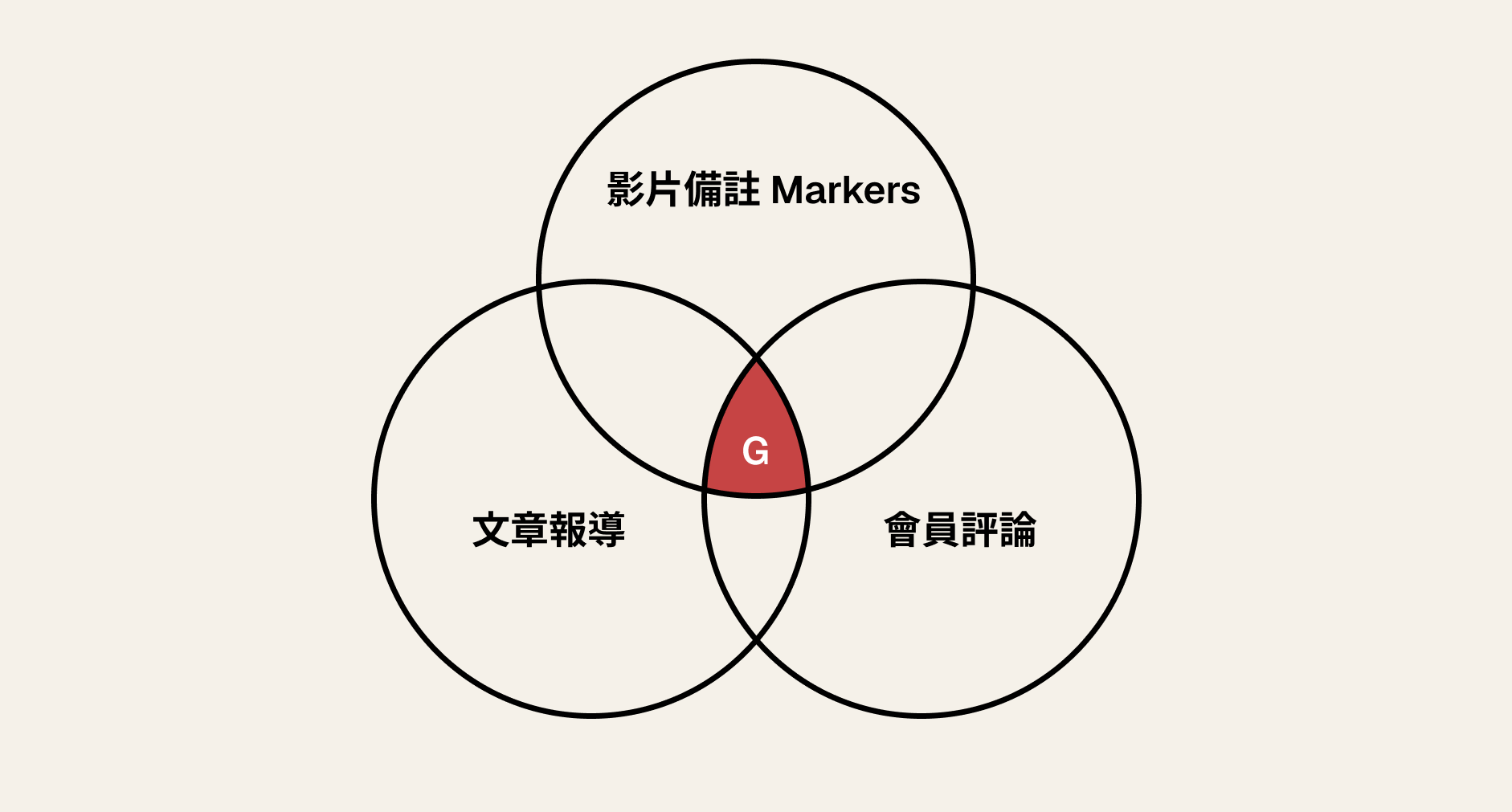
This ecosystem combines three core community features to create a viewing experience where people actually want to stick around and say something after they finish watching:

This ecosystem combines three core community features with one goal: to create a viewing experience where people want to stick around and say something after they're done — where casual users can join in without pressure, power users have a sense of identity and space to contribute, and the voices of professional contributors get amplified.
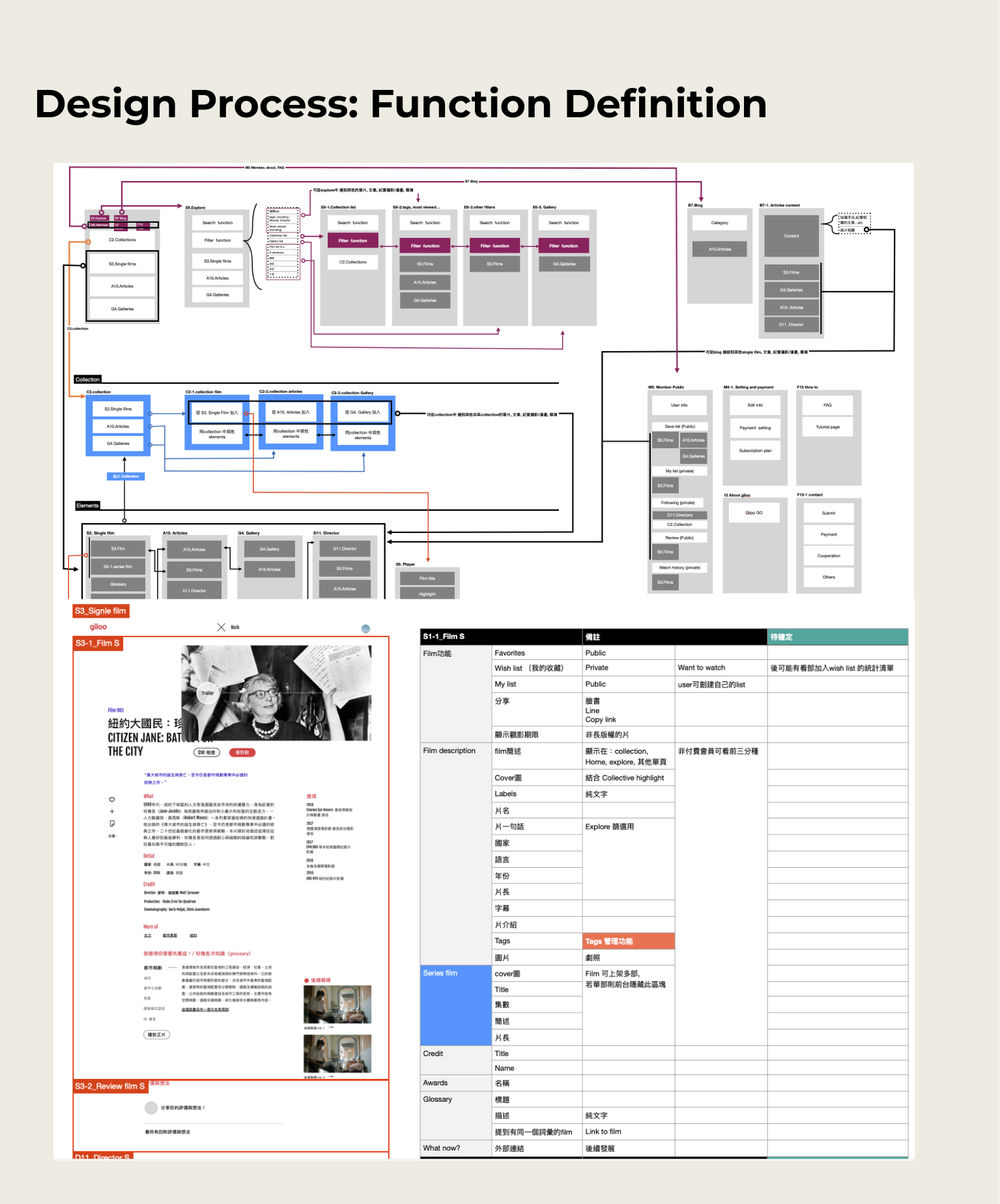
Information Architecture: Breaking Every Film Down to Its Smallest Unit
This was the most central — and most difficult — challenge in the entire product design.
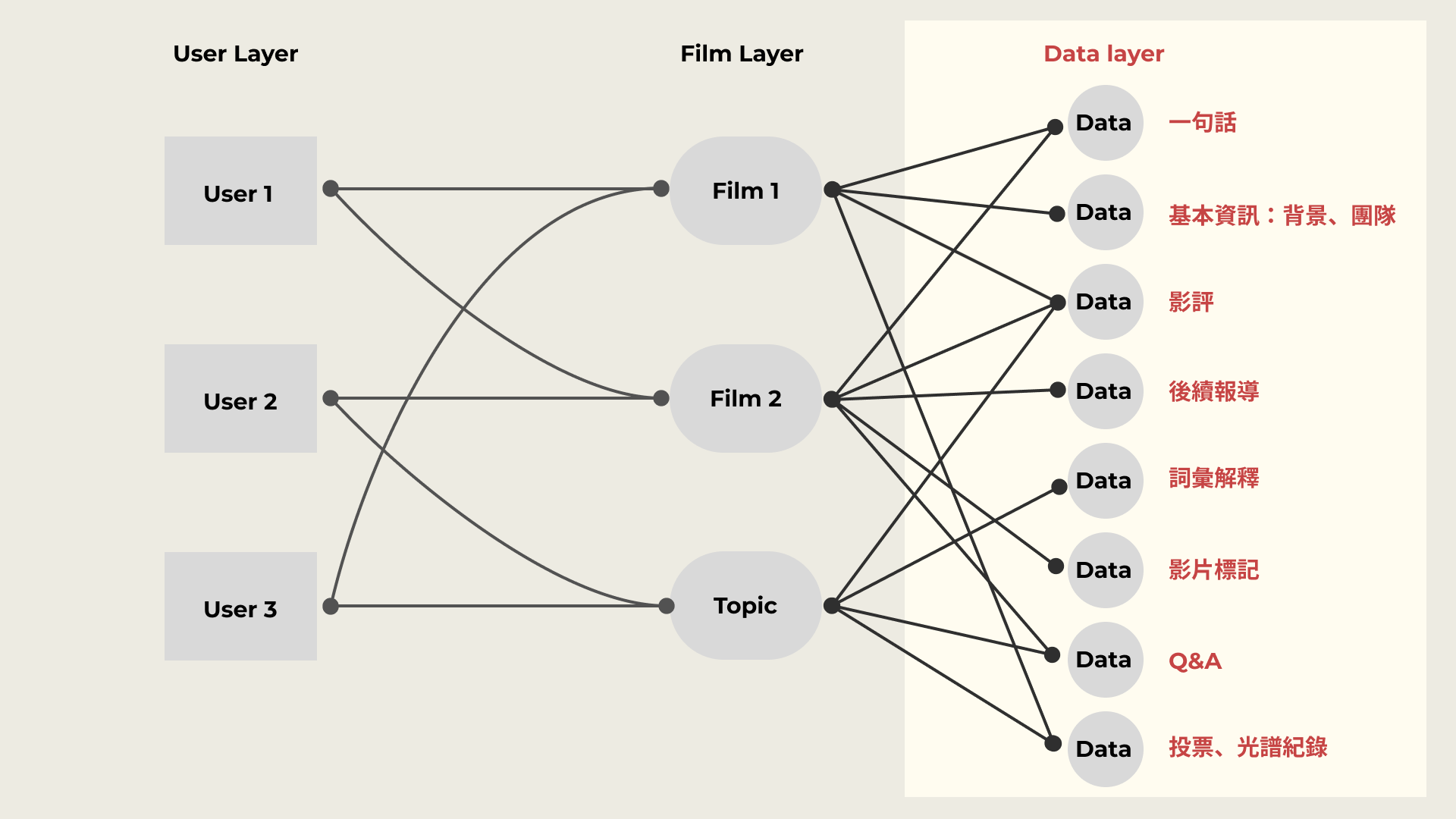
Every documentary covers a different kind of topic: some are about historical events, some are social movements, some are biographical. If every film uses the same template, the content loses its meaning. But if every film is fully customized, the system can't scale.

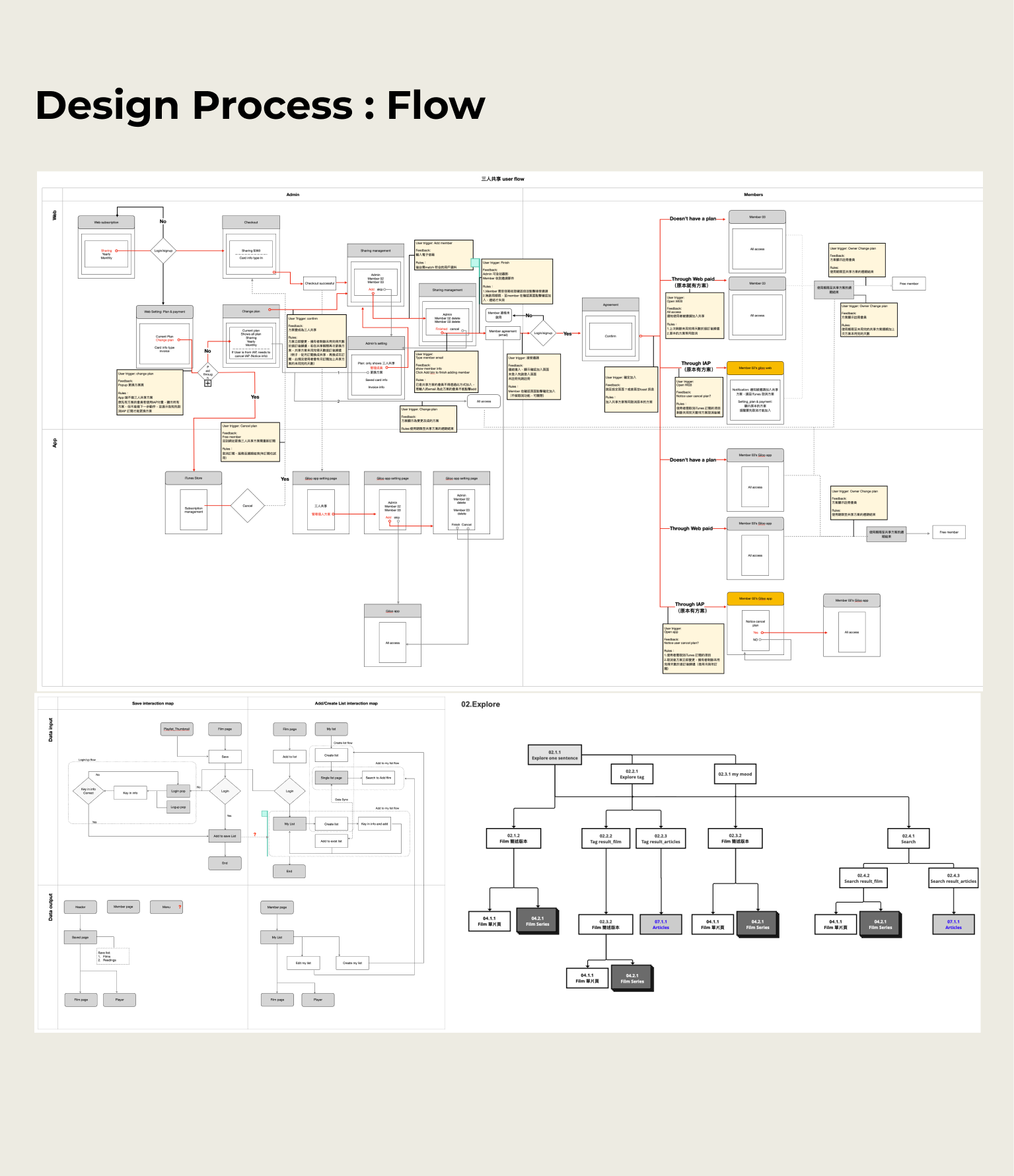
Our solution:Break all information down into the smallest possible metadata units, then assemble them based on what each film needs.These metadata elements include: a one-line summary, background & team info, film criticism, follow-up coverage, glossary terms, video markers, Q&A, and voting & spectrum records. Each film can use a different combination, but the underlying data structure stays consistent. This gives the platform flexibility while also enabling a connected, comparable knowledge network across films.
How Features Grew from Watching Behavior: Design Driven by JTBD (Jobs To Be Done)
The starting point for feature design was observing what users actually do after they finish watching a film.
We noticed viewers had a few high-frequency behaviors: wanting to look up a name or a specific term, wanting to know what happened next, wanting to hear what other people thought about the film, and wanting to capture how they felt in the moment. Each of these behaviors was a design opportunity.

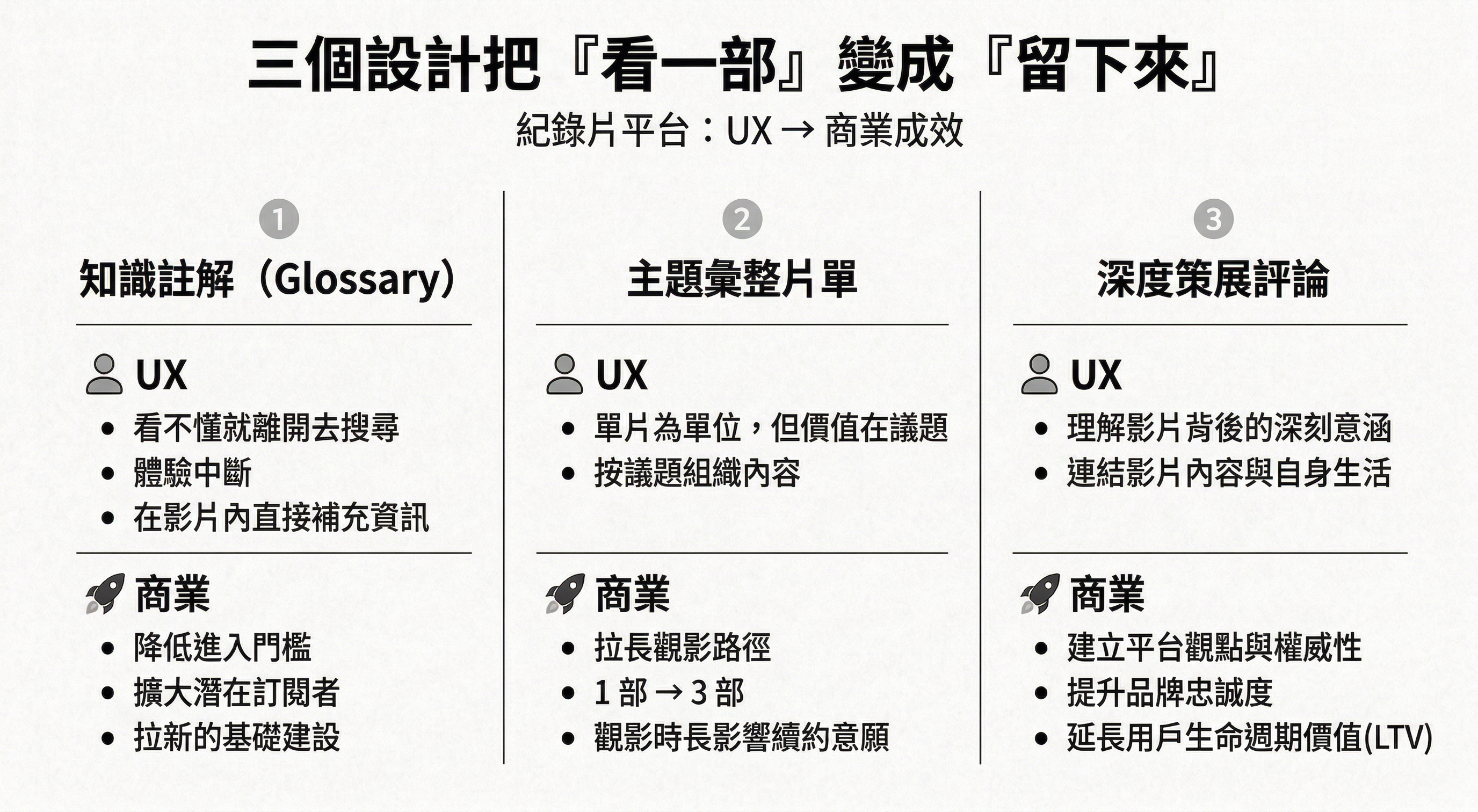
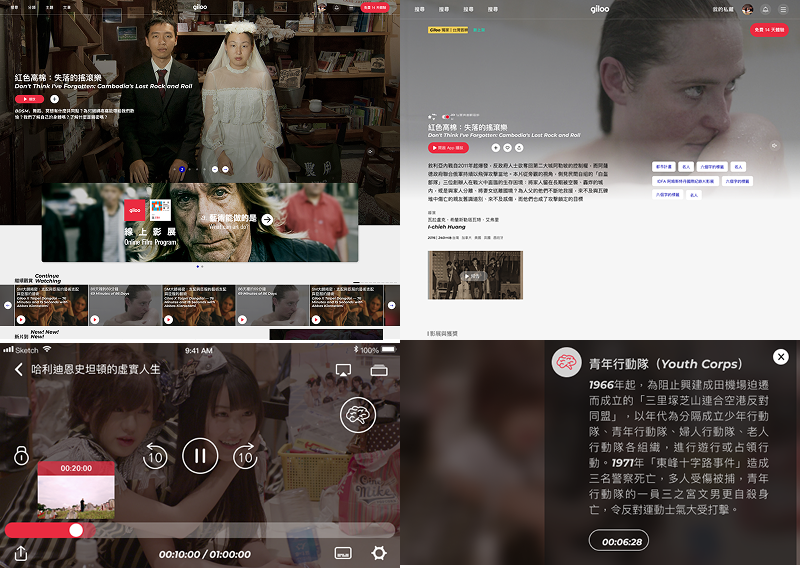
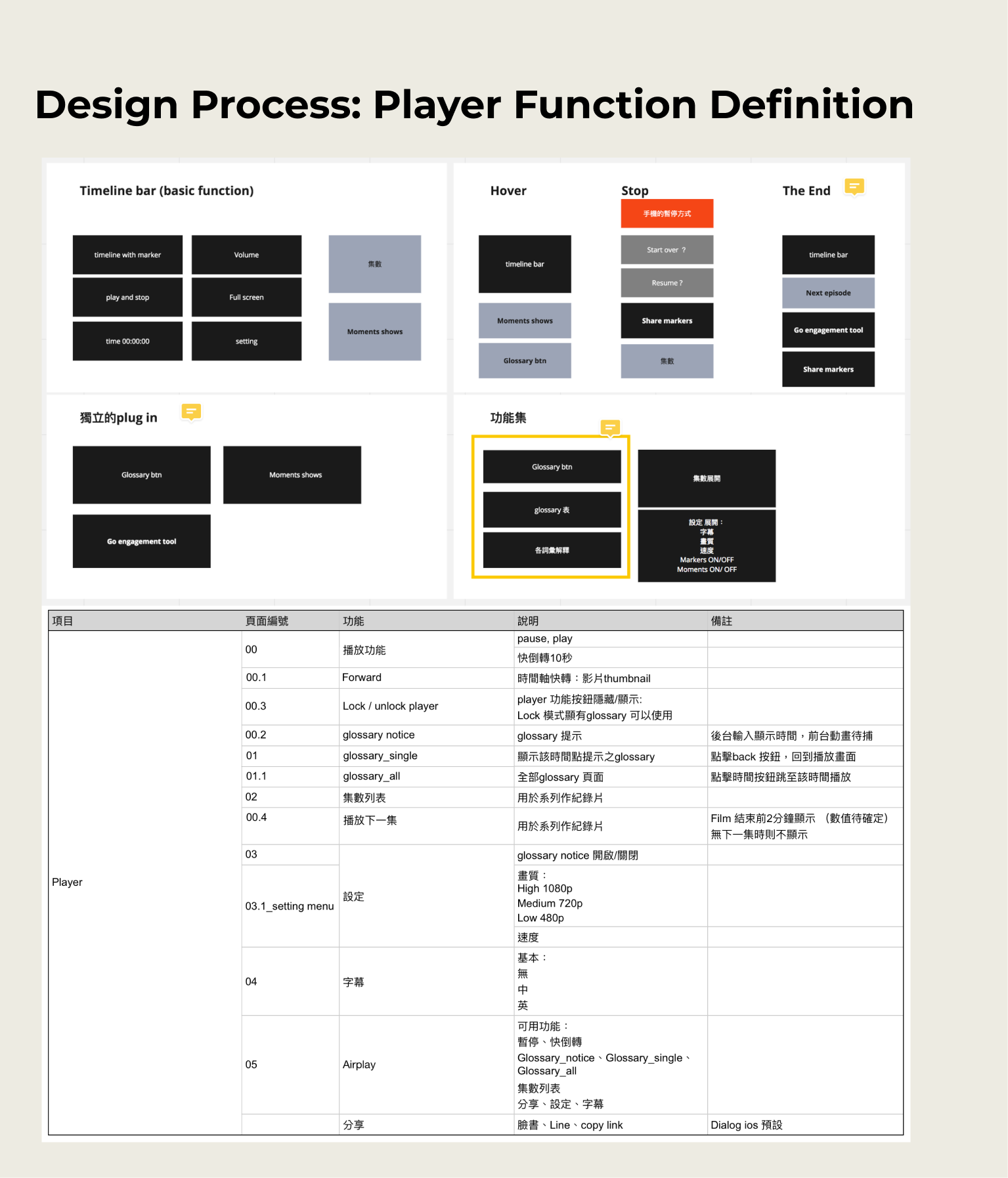
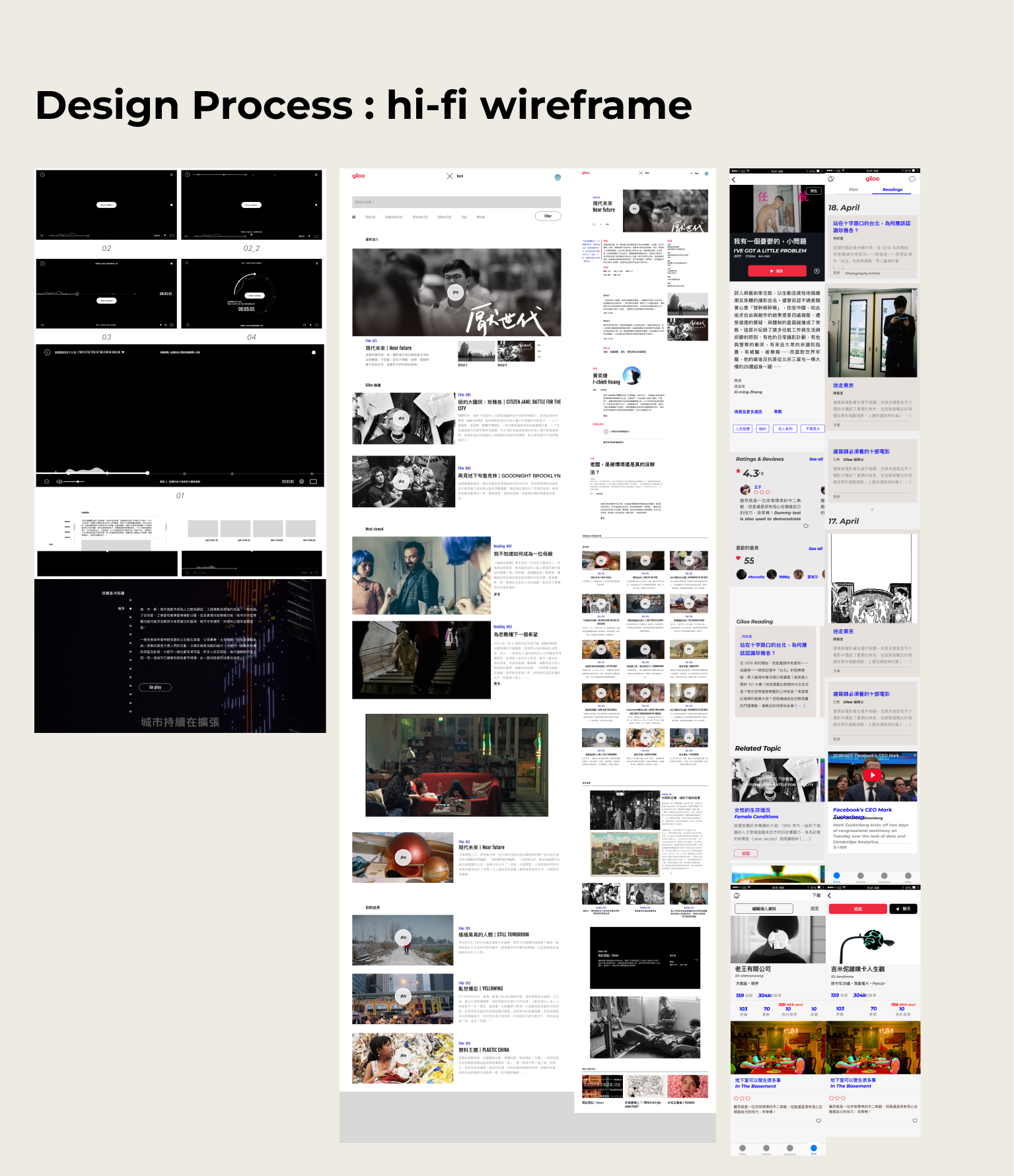
Glossary (Background Knowledge)This was the first feature we launched, solving the problem of "looking something up breaks the viewing experience" — viewers can check the definition of a term without ever leaving the player. The response after launch exceeded our expectations. Viewers loved it, and it validated our design hypothesis that "lowering the barrier to understanding" was the right direction.
Topic CollectionThis solved the problem of "how do I find films on the same topic" — kind of like online curation. It lets films around related issues be organized systematically, instead of getting buried in algorithm-driven recommendations.
In-Depth Reviews (Rating & Review)A space for viewers to express how they felt about a film, and to find an outlet through the responses of other viewers.
Video MarkersThis came directly from user feedback: viewers wanted to log how they felt at specific moments in a film, and they were curious what others felt at the same point. This feature turned watching from a purely private experience into something partly shared.
Outcome
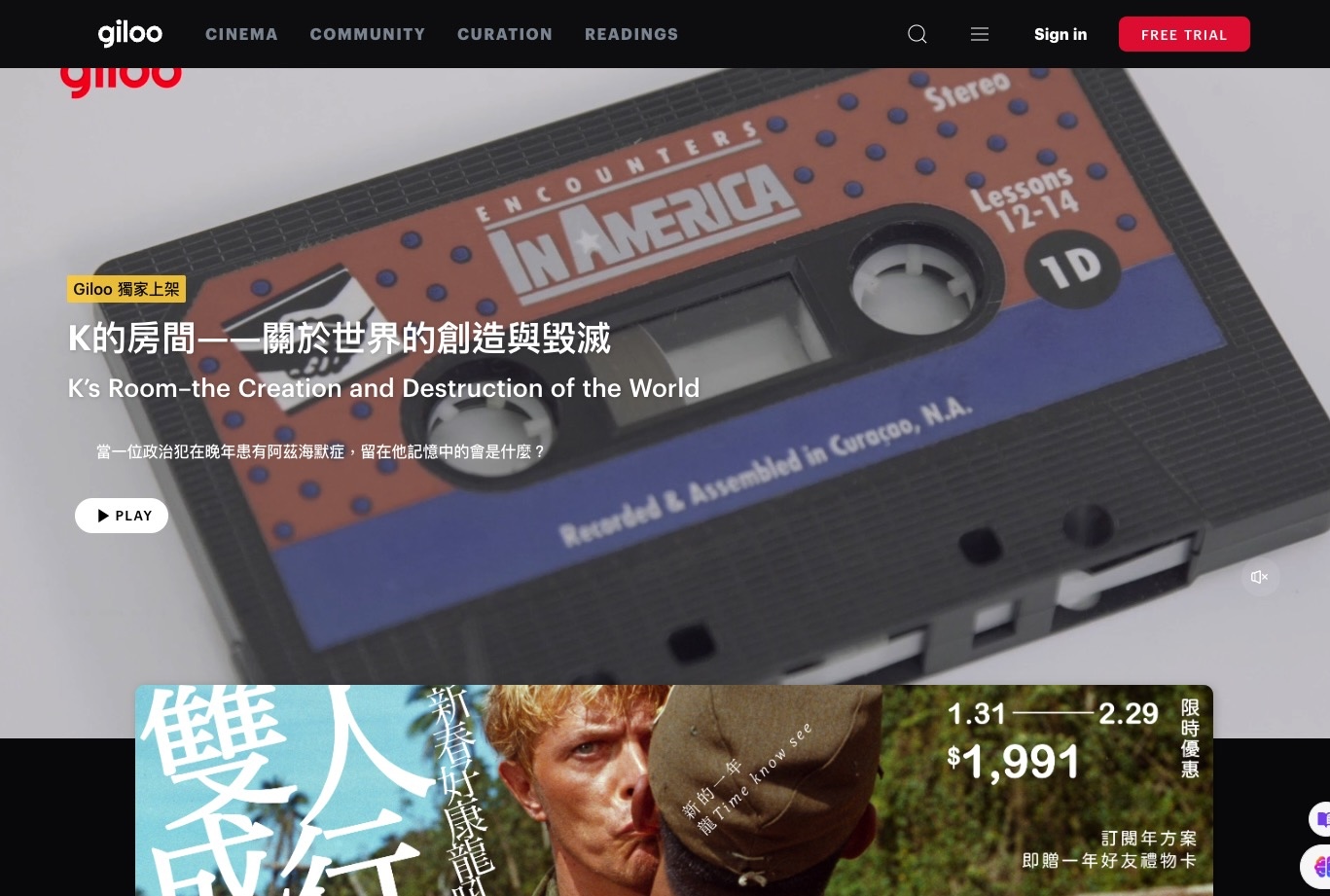
Subscribing to Films = Subscribing to Issues & Knowledge = Giloo 2.0
Redefining the platform from "a place that hosts documentaries" to "a cultural community connecting film lovers with knowledge-driven cinema."
Deliverables:
- Glossary received great feedback
- iOS App featured in Editor's Choice
Key Insight
- UX solves experience breakdowns — but behind every experience breakdown, there's a business leak.
- The value of a documentary lies in the issue, not the individual film. Centering around Topics lets content connect and build on each other.
Personal Design Challenge
This was also my first time designing a full App end-to-end. The differences in guidelines between iOS and Android gave me a deep appreciation for something: design standards aren't constraints — they're what help users on different platforms find their footing in a familiar environment. Learning how to strike the right balance between two very different systems was the most grounding lesson this project taught me.
Showcase